
In modern mineral processing plants, cost control often comes down to one fundamental question: how much material truly needs to enter grinding and downstream separation circuits. Grinding, flotation, and other processing stages account for a large share of total operating costs. Any material that does not contribute to final concentrate, once it enters these stages, is directly converted into energy consumption, reagent usage, and tailings management cost.
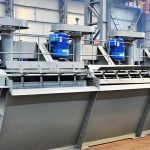
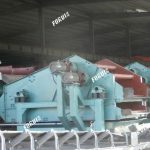
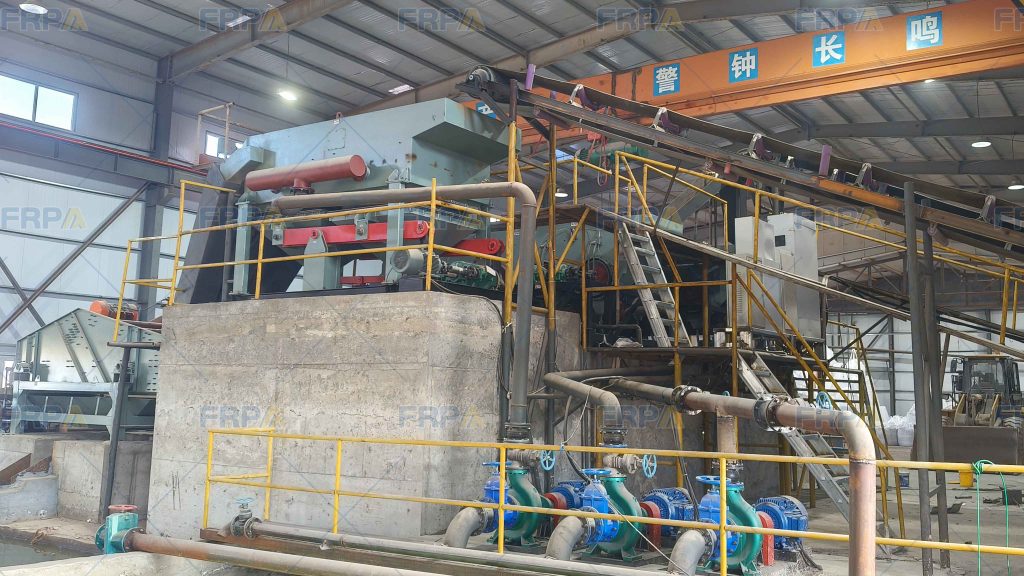
Jig pre-concentration works at the front of the flowsheet. By removing already liberated low-value or barren material after crushing and before grinding, a jig machine can significantly reduce the tonnage reporting to grinding and flotation circuits, fundamentally improving the cost structure of the plant.
Reducing Grinding Load Delivers Immediate Cost Savings
Grinding is the most energy-intensive and cost-concentrated stage in mineral processing, typically accounting for 40–60% of total plant energy consumption. When a jig machine rejects coarse waste material at the front end, the feed tonnage to the mill decreases accordingly. Power consumption, grinding media usage, and liner wear are reduced at the same time.
In parallel, effective grinding capacity is released, allowing valuable minerals to be processed under more stable and controlled conditions. In practical operation, even partial rejection achieved through jig pre-concentration often leads to disproportionate reductions in grinding cost, simply because the mill no longer consumes resources on material that has no economic value.
Typical cost impacts observed when jig pre-concentration is applied before grinding include:
| Cost Area | Typical Impact | Operational Effect |
|---|---|---|
| Grinding Energy | 15–30% reduction | Lower mill power demand due to reduced feed tonnage |
| Grinding Media & Liners | 10–25% reduction | Reduced steel consumption and extended liner life |
| Flotation Reagents | 10–25% reduction | Cleaner feed and lower reagent demand |
| Mill Throughput Efficiency | 10–20% increase | Grinding capacity focused on valuable material |
| Tailings Volume | 20–60% early rejection | Lower tailings handling, pumping, and storage cost |
*These figures represent typical ranges observed across multiple industrial pre-concentration applications and publicly documented engineering experience. Actual results vary depending on ore characteristics, liberation size, and flowsheet configuration.
Cleaner Feed for Flotation and Gravity Separation
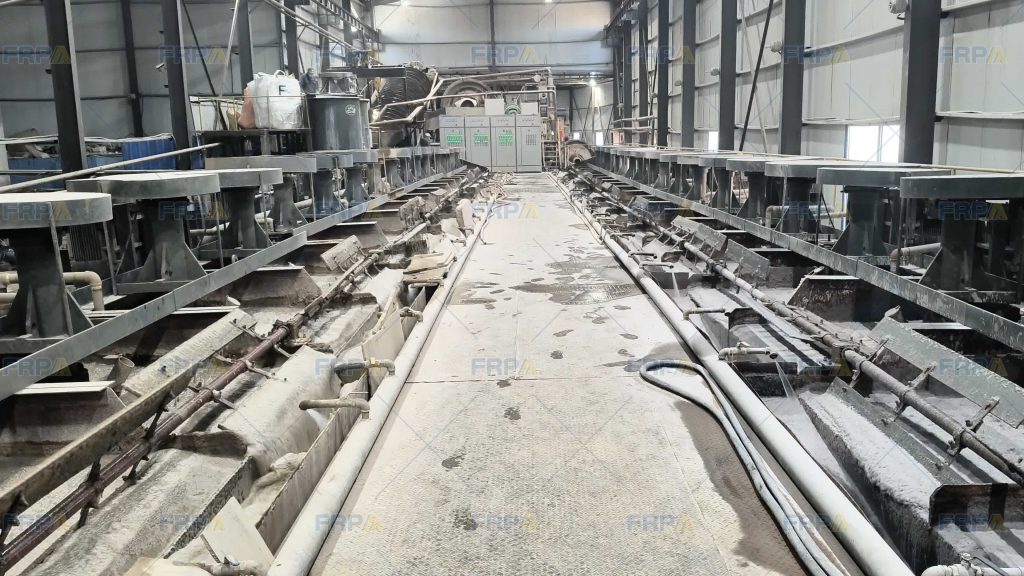
The benefit of jig pre-concentration is not limited to grinding. By removing low-density waste early, the feed entering flotation or downstream gravity separation becomes more consistent and concentrated. Lower feed volume directly translates into reduced reagent consumption, clearer operating windows, and improved process stability.
At the same time, avoiding unnecessary over-grinding helps preserve liberated valuable minerals, reducing fine losses and contributing to more stable downstream separation performance.
A Cost-Driven Perspective on Jig Pre-Concentration
In cost-focused processing flowsheets, the value of jig pre-concentration lies not in the separation step itself, but in how it reshapes what downstream circuits are required to process. By completing effective mass reduction before grinding, the operating load on grinding, flotation, and tailings handling is collectively reduced.
This allows the plant to operate at lower energy and consumable intensity while maintaining stable production. In several pre-concentration projects where jig machines were applied ahead of grinding, this approach has proven to be technically practical and stable over long-term operation.
With practical experience in jig machine applications for cost-focused pre-concentration, Forui integrates jig machines at the front of mineral processing flowsheets to help reduce grinding, flotation, and tailings-related costs while maintaining stable operation.