
Introduction
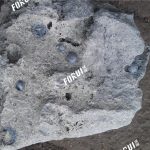
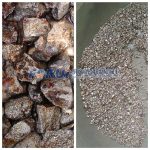
Ferrochrome smelting produces a significant amount of slag during the alloy production process. Although most of the molten metal settles at the bottom of the furnace, part of the ferrochrome alloy may remain trapped in the slag due to slag viscosity, operational conditions, and incomplete separation during tapping.
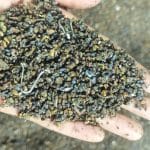
As a result, ferrochrome slag often contains recoverable ferrochrome alloy particles. Recovering these metals not only reduces valuable metal losses but also improves the overall economic efficiency of ferrochrome smelting operations.
Among the different recovery technologies, gravity separation is widely recognized as the most practical and economical method for ferrochrome slag recovery.
Characteristics of Ferrochrome Slag
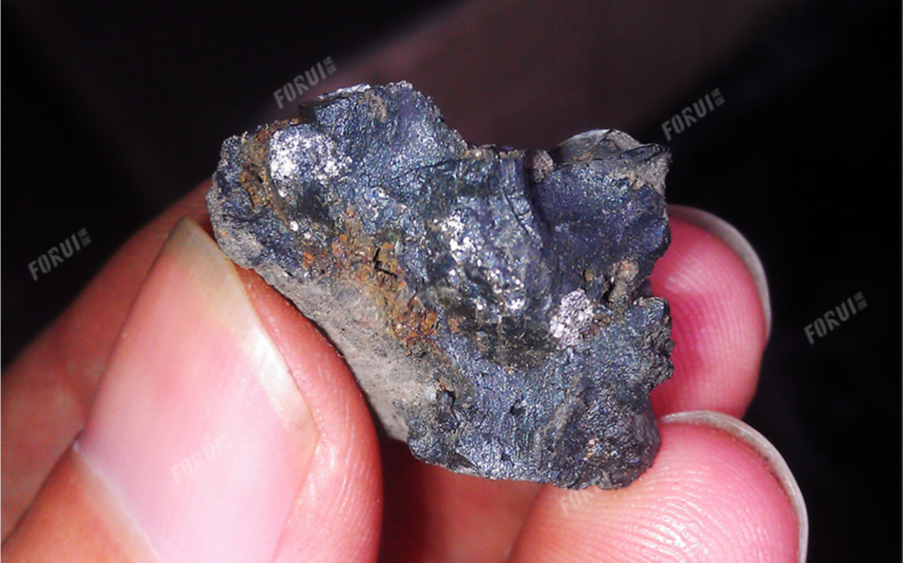
Ferrochrome alloy particles present in slag generally have the following characteristics:
- High density
Ferrochrome alloy density: approximately 6.5–7.5 g/cm³ - Lower density slag minerals
Typical slag density: 2.5–3.2 g/cm³ - Variable particle size
Ferrochrome particles may range from coarse metal droplets to fine particles.
Because of the large density difference between ferrochrome alloy and slag minerals, gravity separation becomes highly effective for metal recovery.
Why Gravity Separation Is Commonly Used
Large Density Difference
Gravity separation works based on density differences between materials. Ferrochrome alloy particles are significantly heavier than slag minerals, making them easy to separate using gravity-based equipment.
Simple Process Flow
The typical ferrochrome slag recovery process includes only a few basic steps:
Crushing
Screening
Gravity separation
The process is relatively simple and does not require complicated chemical treatment.
Low Operating Cost
Gravity separation equipment such as jig machines and shaking tables operates with low energy consumption and minimal maintenance, making the process economically attractive for large-scale slag treatment.
Common Equipment Used in Ferrochrome Slag Recovery
Jig Machine
The jig machine is one of the most widely used devices for recovering coarse ferrochrome alloy particles from slag.
The equipment uses pulsating water flow to stratify particles according to density. Heavy ferrochrome alloy particles settle to the bottom of the jig bed, while lighter slag particles are discharged as tailings.
Advantages include:
- Large processing capacity
- Simple structure
- Low operating cost
Many ferrochrome plants use single-stage jigging to recover metal from smelting slag.
Shaking Table
Shaking tables are commonly used to recover fine ferrochrome particles.
The table surface oscillates while water flows across it, allowing heavy particles to separate from lighter slag materials.
In many cases, two-stage shaking table separation can produce a qualified ferrochrome concentrate.
Typical Ferrochrome Slag Processing Flow
A basic ferrochrome slag recovery process may include the following steps:
Crushing–Screening–Jigging—Ferrochrome alloy recovery
For slag containing fine metal particles, an improved process can be used:
Crushing–Screening–Jigging (rough separation) & shaking table–Grinding–Shaking table concentration
Conclusion
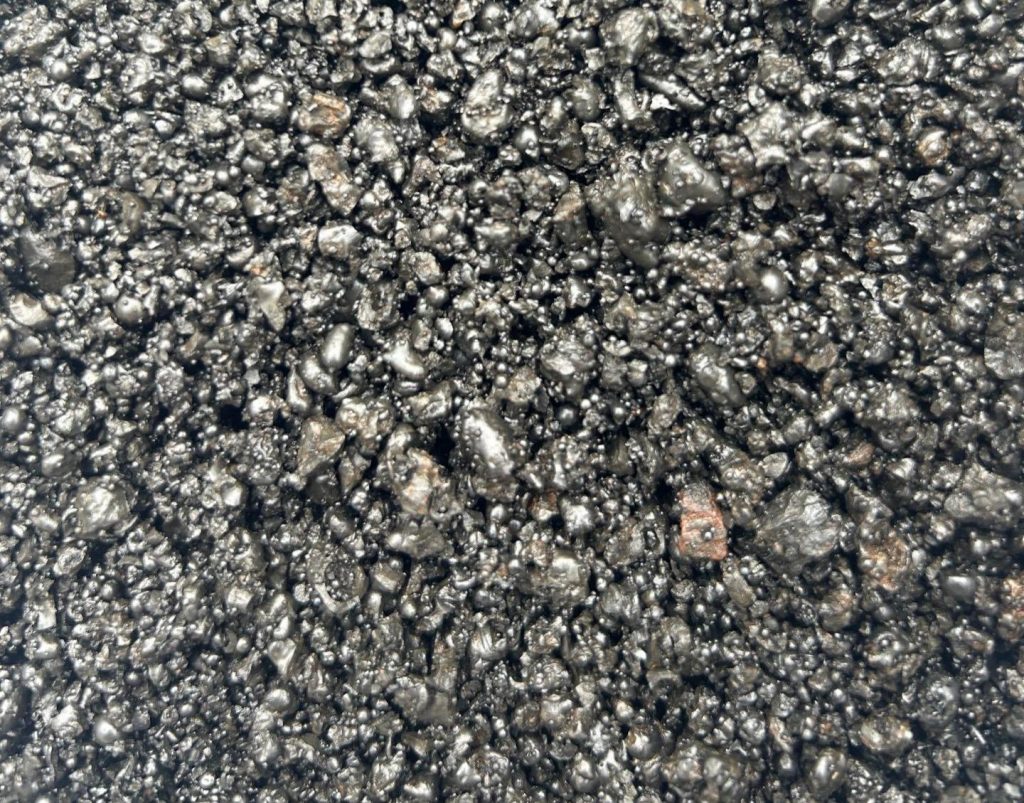
Ferrochrome slag generated during smelting often contains a considerable amount of recoverable ferrochrome alloy. Proper slag processing can significantly reduce metal losses and improve resource utilization.
Among various recovery methods, gravity separation remains the most widely used technique for ferrochrome slag recovery due to its simplicity, reliability, and low operating cost.
In many ferrochrome smelting operations, slag still contains recoverable alloy particles. With proper crushing, screening, and gravity separation, a significant amount of metal can often be recovered.
If you are currently dealing with ferrochrome slag or planning a recovery project, feel free to share some details about the slag characteristics or processing capacity. It would be interesting to discuss possible recovery approaches.